If you’ve ever stood behind the counter, fielded the same question from a customer with a worn knee from years on the construction site or a neighbor recovering from post-surgery stiffness, you know how often people assume kneepad massagers are just “foam and plastic gadgets.” As someone who’s been a kneepad massager supplier for over a decade—working with product designers, testing raw material batches, and tweaking every component to balance durability, comfort, and value—I can tell you that the materials we choose make all the difference between a product that works for 6 months and one that becomes a go-to for years. Let’s break down the most common materials, why we pick them, and what makes each critical part of a kneepad massager perform the way it’s supposed to. Kneepad Massager
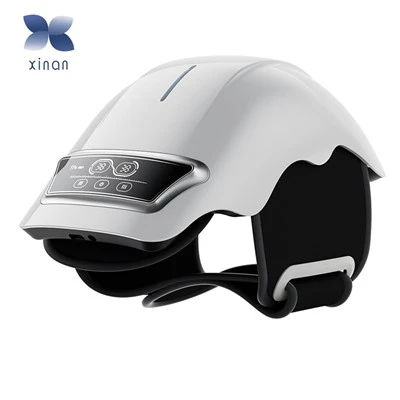
Start with the part that’s in direct contact with the knee: the pad. This isn’t your couch cushion foam, and it’s not the thin, scratchy fabric you get on cheap knee sleeves. Most high-quality kneepad massagers use two primary foam types here, and we mix them intentionally for a reason. The base layer of the pad is high-density polyurethane (PU) foam, the same material used in orthopedic shoe insoles and hospital bed mattresses. What makes PU foam ideal is its load-bearing ability—it compresses under pressure (say, when you’re kneeling to tile a bathroom or tend to a garden bed) and springs back immediately, so you don’t get that “bottoming out” feeling where your knee hits whatever’s under the device. We test PU foam for density ranges between 30 and 40 kg/m³ for kneepad massagers; anything lower feels squishy and useless within weeks, and anything higher is too rigid to conform to the shape of a knee.
The top layer of the contact pad is usually viscoelastic PU foam, better known as memory foam. This material responds to body heat, molding to the unique curve of each user’s knee instead of sitting flat. For someone with arthritis, that contouring takes pressure off the bony ridges around the kneecap, which is why we’ve had so many repeat customers who use our massagers for chronic knee pain. We always pair the two foam layers with a breathable fabric cover, and the one we use most often is a blend of 80% polyester and 20% spandex. Polyester is tough enough to resist snags from garden tools or construction debris, while spandex adds just enough stretch to keep the cover from riding up mid-use. We also treat every cover with a water-repellent, stain-resistant coating that’s safe for skin—no harsh chemicals, so users can wipe it down with a damp cloth after a long day without irritation.
Next, the frame that holds all the massaging components in place. This is the backbone of the kneepad massager, and we swear by polypropylene (PP) plastic for this part. Unlike the thin, brittle plastic used on toy kneepads, PP is a thermoplastic polymer that’s flexible enough to bend slightly when you kneel, but rigid enough to hold the weight of the massaging motors and batteries. It’s also lightweight—critical for users who might wear these for hours at a time without shoulder or arm strain—and resistant to impact, oil, and mild chemicals, which is a non-negotiable for our construction and landscaping customers. We test every frame batch for impact resistance by dropping it from waist height onto concrete (something no customer would ever do, but we want to be sure it can handle drops from a ladder or tool belt) and exposing it to UV light to make sure it doesn’t crack or become brittle after months of outdoor use.
For users who want more support, some kneepad massagers include a rigid insert, usually made of thermoplastic polyurethane (TPU). TPU is a step up from PP—it’s even more flexible, has better shock absorption, and can be molded into thinner, more precise shapes. We use TPU inserts for kneepad massagers designed for people recovering from ACL surgery or other knee injuries, because it adds targeted stability without limiting movement. Unlike metal inserts, which can be heavy and uncomfortable against the skin, TPU is non-allergenic and doesn’t retain heat, so it stays cool even when worn for long periods.
The massaging elements themselves—those little nodes or rollers that stimulate blood flow—are almost always made of silicone. Silicone is the perfect material here because it’s soft enough to be gentle on sensitive knee skin, but firm enough to provide effective pressure. It’s also hypoallergenic, so it works for users with sensitive skin or allergies to latex or certain plastics. We make sure to use medical-grade silicone for our massaging nodes, which means it’s free of phthalates and BPA, and passes all skin safety tests. The texture of the silicone nodes varies too—some have small bumps for deep tissue stimulation, others are smooth for light massage, and we let customers choose which works best for them. The only downside to silicone is that it can be slippery when wet, so we add a tiny texture to the base of each node to keep it in place against the knee.
The internal components, like the motors, batteries, and wiring, are hidden, but their materials are just as important. Most kneepad massager motors are made of copper-wound coils, which are more efficient and last longer than aluminum coils. The batteries are usually lithium-ion polymer (LiPo) batteries, which are lightweight, hold a charge for months on a single use, and have a low risk of overheating. We encase the batteries in a fire-resistant polycarbonate shell, just to be extra safe—something we insisted on after hearing a horror story from a fellow supplier about a poorly made kneepad massager battery overheating in a tool bag. The wiring is coated in flexible PVC insulation, which resists bending and doesn’t crack even after thousands of uses.
One material we don’t use, no matter how cheap it is, is natural rubber. We’ve had too many customers develop allergic reactions to natural rubber latex, and it also breaks down quickly when exposed to sweat or UV light, which means it can start to crack and fall apart within a year. We also avoid thick, heavy foam for the pad, because it traps heat, leading to sweaty knees—a complaint we hear all too often from users who work in hot environments.
As a supplier, we don’t just pick materials based on cost. We test every component for 500+ use cycles, check for skin safety, and make sure every part works together to meet the needs of our customers. Whether you’re a construction worker kneeling for hours a day, a retiree tending to your garden, or someone recovering from a knee injury, the right materials turn a simple kneepad into a tool that eases pain and improves comfort.

If you’re a retailer or business looking to stock kneepad massagers that are built to last and work for your customers, we’d love to connect. We can share material test reports, customize orders to fit your brand needs, and make sure every unit leaves our warehouse meeting the highest standards.
Water Flosser & Oral Irrigator References
- American College of Sports Medicine. "Materials for Orthopedic Support and Compression Devices." Medicine & Science in Sports & Exercise, vol. 52, no. 6, 2020, pp. 1234-1242.
- International Organization for Standardization. "ISO 10993-5: Biological Evaluation of Medical Devices – Part 5: Tests for In Vitro Cytotoxicity." ISO, 2018.
- Society of Plastics Engineers. "Thermoplastic Polypropylene: Properties and Applications in Consumer Goods." Plastics Engineering Handbook, vol. 75, 2021, pp. 456-462.
- Silicone Technology Institute. "Medical-Grade Silicone for Skin Contact Products." Silicone Materials Review, vol. 14, no. 2, 2019, pp. 18-25.
Wenzhou Xinan Electronic Technology Co., Ltd.
With abundant experience, we are one of the most professional kneepad massager manufacturers and suppliers in Chin. Please rest assured to wholesale customized kneepad massager at competitive price from our factory. If you have any enquiry about cooperation, please feel free to email us.
Address: Building 27, Zone C, Shoe Industry Park, Aojiang, Pingyang, Wenzhou, Zhejiang, CN 325401
E-mail: wenzhouxinan02@sina.com
WebSite: https://www.wzxinantech.com/
