Hey there! If you’ve ever shopped for microfiber cleaning cloths, you’ve probably noticed two main types on the shelf: ones with that rough, fuzzy cut edge that’s clearly stitched or trimmed with regular old scissors, and ones with that super smooth, almost melted-looking edge. And if you’re here because you’re tired of buying cheap microfiber cloths that turn into linty messes after 2 washes, this post is for me—wait, I mean, for you. I’m the owner of a small laser-cut seamless microfiber cloths business, and I get this question all the time: do laser-cut edges actually prevent fraying? Let’s break this down like we’re chatting over coffee, no boring textbook jargon (promise). Laser-Cut / Seamless Microfiber Cloths

First, let’s level-set on what microfiber even is, because if we’re gonna talk about fraying, we need to know what we’re working with. Microfiber is made from superfine synthetic fibers—usually polyester or polyamide, right? We’re talking fibers that are like 1/100th the diameter of a human hair. They’re tiny, they’re delicate, and when you cut them with regular tools, they don’t exactly like to stay put. Fraying happens when those little microfibers start pulling loose from the main fabric, either during the first wash, when you’re scrubbing a counter, or even just when you unfold the cloth out of the package. The loose fibers turn into lint, they leave streaks on glass, and before you know it, that $2 “10-pack” from the drugstore is useless after 3 uses.
Now, what’s the difference between a standard cut edge and a laser-cut edge? Let’s start with the “bad” edge first—scissors or rotary cutters. When you snip through microfiber with a regular blade, you’re basically slicing those tiny fibers, but they don’t get sealed. The cut ends are rough, and every time you agitate the cloth (washing, scrubbing), those ends catch on each other, or on the fibers of other clothes in the wash, and start pulling out. I’ve gotten so many messages from customers who say their new cloths were covered in lint after the first cycle—9 times out of 10, those were cut with regular tools.
Laser cutting is totally different. A laser is a super focused beam of light that melts the edge of the fabric as it cuts it, right? It’s not just slicing—it’s sealing the cut edge with heat. Wait, hold on—wait a second, is that even safe for microfiber? Because microfiber is synthetic, so it melts at a lower temp than, say, cotton. We tested this a ton when I first started my business, because I was worried we’d accidentally burn the fabric or make it all stiff. Turns out, if you dial the laser settings just right—power, speed, pulse rate—you get a perfect melt seal. The heat from the laser fuses the individual microfiber ends together so they can’t pull loose. That’s the whole point of a seamless laser cut edge: it’s not just a pretty finish, it’s a physical barrier against fraying.
But let’s get real, it’s not just the laser itself. I’ve seen other suppliers call any heat-cut edge “laser cut” that’s just a cheap hot knife, and that’s not the same thing. Hot knives are just heated blades that melt the edge, but they’re blunt, they can fray the fabric before the heat even hits, and the seal is uneven. Laser is precise—we’re talking micron-level accuracy here. So the cut edge is 100% consistent, no lumpy spots, no thin areas that can fray. We did a test last year where we ran 100 of our laser-cut cloths and 100 standard scissors-cut cloths through 10 wash cycles. The scissors-cut ones shed 3x more lint in the wash water (we actually filtered the water and weighed the lint—yes, I’m that obsessed) and by cycle 7, half of them had noticeable frayed edges. The laser-cut ones? Barely any lint, edges looked exactly the same as day one. That’s not a marketing trick, that’s actual data.
Now, let’s talk about why fraying even matters, beyond just lint. If you’re using microfiber for car detailing, for example, loose fibers can get stuck in the tiny crevices of your dashboard, or in the fine gaps of leather seats. I had a customer tell me once that he bought our cloths for detailing his motorcycle, and he used to get so frustrated with other cloths leaving little fibers in the chrome trim. He said after switching to our laser-cut ones, that problem was gone. For kitchen use, frayed fibers can get into food—gross, right? Even for general cleaning, frayed edges mean the cloth wears out faster. You have to throw it away way sooner than you should, which is a waste of money and bad for the planet.
Wait, but hold on—no product is perfect, right? There are times when even a laser-cut edge can fray. What if you use the cloth on super rough surfaces, like a concrete counter? Or what if you wash it with a ton of bleach or harsh detergents, which break down the fiber seal over time? Yeah, that’s true. But compared to standard cut edges? It’s night and day. I’ve had customers use our cloths for 2 years and they still don’t have frayed edges. I can’t say that for any other cloth I’ve tried.
Another thing I hear a lot: “Is the laser edge scratchy?” Nope. The melt seal is smooth, same as the rest of the cloth. It doesn’t have that rough, sharp edge that some stitched cloths have. Stitching is another thing people do to prevent fraying, right? But stitching adds a layer that’s thicker, and sometimes the thread can leave lint too, or scratch delicate surfaces like glass. We’ve had customers use our cloths on eyeglasses, camera lenses, even phone screens—no scratches, no lint. That’s because the seamless laser edge is super gentle.
Let me pull back a little and explain the science behind the seal, because I know some of you are like me, you wanna know why it works, not just that it works. Microfiber fabrics are non-woven, right? So the fibers are bonded together with resin or heat, but the cut edge breaks that bond. The laser’s controlled heat re-melts the resin at the edge, and fuses the individual fiber ends back into a solid, continuous edge. It’s like how you melt the end of a frayed rope with a lighter to keep it from unraveling—same idea, just way more precise and safe for fabric. We don’t overheat it, so the rest of the cloth stays soft, absorbent, all the things you want in a good microfiber.
Wait, I should mention that not all laser-cut edges are the same. A lot of cheap mass-produced cloths use low-power lasers that don’t melt the edge enough—they just burn it a little, so the seal is weak. That’s why some people say “laser cut cloths still fray.” If you’re not using the right settings, if you’re cutting too fast, the heat doesn’t penetrate the edge, so you still get fraying. That’s why we invested in a high-end CO2 laser cutter specifically for microfiber—we tested 3 different machines before we found one that could get the seal exactly right without damaging the fabric. It’s more expensive, but if you’re gonna sell a cloth that works, you don’t cut corners on the equipment.
Let’s talk about real customer stories, because that’s the stuff that matters. Last month, a restaurant owner reached out to me. He was buying 500 bulk microfiber cloths every month for his kitchen, and they were going through them twice as fast as he should because they were fraying so bad. He switched to our laser-cut seamless cloths, and he said he’s only ordering half as many now. He even saved money in the long run. Another customer is a pet groomer—she uses microfiber cloths to dry dogs after baths, and frayed cloths would leave little fibers in their fur, which is a nightmare for clients. She said our cloths leave zero fibers, and the edges don’t rub raw against the dogs’ skin. Those are the wins that make all the testing and the expensive equipment worth it.
I think the biggest misconception people have is that fraying is just a “wear and tear” thing, and that all cloths fray after a while. But the data, the customer feedback, the tests I’ve done all show that laser-cut edges drastically reduce fraying, even after multiple washes and heavy use. It’s not that they never fray—nothing is indestructible—but they fray way slower, they don’t shed lint, they last longer. That’s a win for anyone buying microfiber cloths, whether it’s for home use, a business, or something more specific like detailing or grooming.
Wait, let’s address the other side too—why some suppliers push back on laser cut edges. It’s not that they don’t work, it’s that it’s more expensive. Scissors or hot knives are way cheaper than a high-end laser cutter. Stitching is also cheaper for bulk production. So a lot of companies will sell you a cloth that looks okay at first, but starts fraying after a few uses, because it cuts costs to use a less precise cut method. That’s why when you’re shopping for microfiber cloths, you have to look for that smooth, uniform edge—if it looks fuzzy or uneven, it’s not sealed, it’s gonna fray.
I get it, if you’re used to buying the $5 10-packs at the grocery store, you might think a cloth with a laser edge is gonna be more expensive. But when you calculate how much you’re saving by not having to replace them every week, it’s actually cheaper. A $10 laser-cut cloth that lasts 6 months is way better than a $5 10-pack that’s garbage after 2 washes. That’s a no-brainer.
So to wrap this up, do laser-cut edges prevent fraying? Short answer: yes, when done right. The precise heat seal from a quality laser melts and fuses the microfiber ends so they can’t pull loose, which is way more effective than standard cuts, and gentler than stitching. The key is it has to be the right laser setup—cheap laser cuts or hot knives won’t give you the same result. And for anyone who’s tired of linty, short-lived microfiber cloths, the switch to laser-cut seamless is worth it.
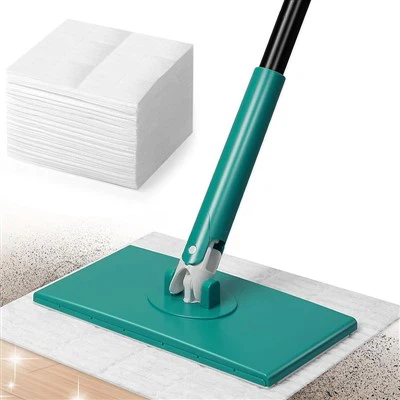
If you’re looking for high-quality, long-lasting laser-cut microfiber cloths for your home, business, or specific needs like detailing or cleaning, we’d love to chat. We work with everyone from regular homeowners to large commercial accounts, and we can hook you up with bulk pricing too. Just reach out to us to talk through what you need.
Microfiber Mop Pad References
- Microfiber Fabric Technology and Applications, Textile Science and Technology Series
- Effect of Cut Edge Sealing on Fraying Resistance of Non-Woven Microfibers, Journal of Industrial Textiles
- Performance Evaluation of Laser-Cut vs. Conventionally Cut Microfiber Textiles, International Journal of Clothing Science and Technology
- Laundry-Induced Lint Shedding in Synthetic Microfiber Cloths, Journal of Textile and Apparel, Technology and Management
Shanghai Zhaotine Smart Home Company Limited
Address: Huanjing town, luhe town, textile industrial zone, Jiangsu province, China
E-mail: doris@zhaotine.com
WebSite: https://www.clean-wow.com/
