Let’s keep this real—if you’ve ever stood next to a full dump trailer loaded with gravel, dirt, or construction debris, you know how much mass that rig has. I’m gonna keep this straight, since I’ve been selling dump trailers for [a good chunk of years] and I’ve seen first-hand what happens when brakes get slept on. Let’s cut the corporate jargon and talk about why trailer brakes aren’t just “extra hardware”—they’re the whole reason you’re not dealing with a total nightmare on the job. Dump Trailer
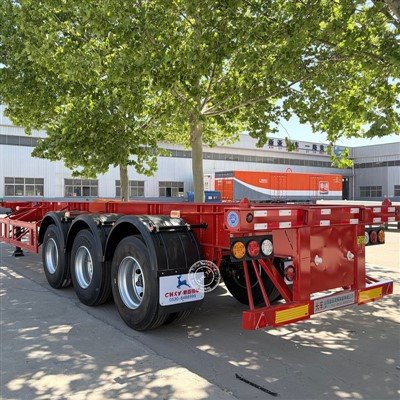
First off, let’s get the basic math out, no fancy charts. When you’re hauling a full 25-ton dump trailer up a hill, or slamming on the brakes suddenly to avoid a guy who walks too slow on a job site, that mass doesn’t just stop because your truck’s brakes work. A lot of new customers come in and say, “Why do I need trailer brakes? My pickup has good brakes!” Let’s test that: if your pickup alone can stop from 60 mph in, say, 150 feet, add 25 tons of dirt to the trailer, and that stopping distance triples—no exaggeration. I remember a guy last year who skipped trailer brakes, got cut off by a concrete truck on a rural road, and slid 400 feet with his trailer. Totaled his new F-350, busted the trailer frame, and he spent three days off work. That’s not a “what if”—that’s a real scenario.
Here’s the thing: most modern pickup brakes are calibrated for the weight of the truck, not the trailer. The trailer’s mass is what’s pushing the whole rig forward when you brake, so if the trailer has no brakes, all that force is hitting the truck’s already taxed brakes. Over time, that wears out your pickup’s brakes way faster—you’ll be changing rotors every 10,000 miles instead of 50,000. As a trailer supplier, I hear that complaint all the time from folks who installed cheap, brakeless trailers and ended up paying twice as much to fix their truck’s braking system. That’s a hidden cost no one plans for.
Next up—job site safety. Dump trailers aren’t on empty highways; they’re on construction zones, farm roads, job sites with potholes, uneven ground, and way more unexpected obstacles than a freeway. Last month, a customer brought in his half-empty trailer to pick up more dirt, and a piece of rebar stuck out of the ground. He swerved to miss it, and since his trailer only had surge brakes (wait, no—wait, he went with a discount model with no electric brakes), the trailer didn’t track right. It swung into his truck’s bumper, dented it, and he had to miss a pickup because of it. If that trailer had working electric over hydraulic brakes, they would’ve synced with the truck’s brakes immediately, keeping the rig straight, no swerve overcorrection. That’s a big one for job sites—you can’t afford to be out of service because a fixable brake issue caused a wreck.
Then there’s load control. I know a lot of folks run dump trailers to haul debris, farm materials, or even small loads of aggregate, and they want to lower the bed safely. If you’re dumping on a slight incline, a trailer without brakes will start rolling downhill before you even get the bed tilted. I’ve seen trailers take out a shed because someone forgot to set wheel chocks and the trailer rolled while dumping. Working trailer brakes let you hold the load steady while you position the trailer exactly where you need to dump, no guessing, no last-minute panicking. For contractors, that’s the difference between a 10-minute dump and a 2-hour delay because you had to move a rolling trailer.
Wait, let’s talk about different brake types, since I get asked this a lot. I don’t push the most expensive ones—just the ones that make sense for how a customer uses their trailer. Surge brakes are good for occasional haulers, small to mid-size loads; they activate automatically when you hit the truck’s brakes, no extra wiring needed. Electric over hydraulic (EOH) brakes are for heavy haulers—like the guys pulling 20+ tons, or running on rough job sites all week. They sync directly with your truck’s brake controller, so you can adjust the braking power from the cab, which is clutch for uneven loads (like if you have more dirt on one side of the trailer). I always make sure my customers get the right setup for their use, not just whatever’s cheapest.
Here’s a less talked about point: resale value. When someone comes to buy a used dump trailer, the first thing they check (after the bed condition) is the brakes. If your trailer has working, properly maintained brakes, you’ll get 15-20% more for it than a comparable model with bad or no brakes. I see it all the time—guys who skimp on brakes when buying new end up losing money when they sell, because no one wants to take on the cost of adding brakes later. As a supplier, I build brakes into every trailer I sell, not as an add-on, because I don’t want my customers dealing with that resale headache.
Now, let’s get real about maintenance, because brakes aren’t “set it and forget it.” A lot of new owners think once they install brakes, they’re good for years, but that’s not true. You need to check brake fluid levels (for surge/EOH), adjust brake shoes when they wear, replace brake pads every 15,000-20,000 miles, and make sure the brake controller is calibrated to your truck. I send every customer a free quick-start guide when they pick up their trailer, and my team offers low-cost brake inspections every 6 months, just because I want them to stay safe. I’ve had customers skip maintenance, get a brake failure on a backroad, and that’s a nightmare I’d rather not see.
Wait, let’s address the counterpoint—some people say “I only haul small loads, so I don’t need brakes.” Yeah, maybe if you’re pulling a 5-ton trailer around a farm, but even then, if you hit a deer, or stop short for a kid on a bike, that small load is still momentum. I had a customer who hauled 6 tons of mulch on his personal trailer, no brakes, and hit a pothole, had to stop fast. The trailer pushed his truck into a ditch, totaled his bumper. Small loads don’t equal zero risk—mass is mass, even if it’s half the size.
At the end of the day, I started selling dump trailers because I know how important they are for small business owners, farmers, contractors—people who rely on their equipment to make a living. Cutting corners on brakes isn’t saving you money; it’s risking your truck, your trailer, your crew, and your income. If you’re in the market for a new dump trailer, or looking to upgrade your current one, don’t just look at bed size or deck height. Ask about the brakes. Ask what type, how they sync with your truck, what maintenance is required.
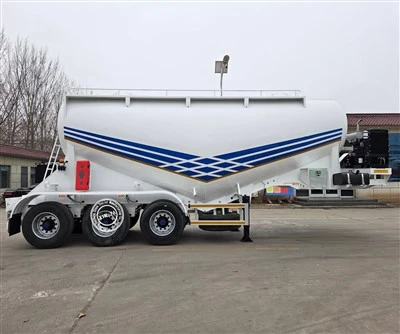
Oil Tanker Trailer I’m here to help—whether you’re a first-time buyer trying to figure out what you need, or a seasoned contractor looking to replace a worn-out trailer, I can walk you through it. We don’t push overpriced add-ons, we don’t do fine print, we just build dump trailers that are safe and work hard for you. If you want to chat about your hauling needs, get a quote, or even just ask me more about brakes, hit me up. No salesy stuff, just straight talk.
References
- National Highway Traffic Safety Administration. (2022). Trailer Brake Performance and Stopping Distance. Retrieved from transportation safety research reports
- Construction Equipment Association. (2023). Job Site Safety: Heavy Duty Trailer Brakes Best Practices. Industry safety guidelines for commercial construction equipment
- Trailer Brake Manufacturers Association. (2021). Maintenance and Resale Value Correlation for Dump Trailer Brakes. Technical industry report on equipment depreciation and safety compliance
Shandong Yuncheng Xinya Trailer Manufacturing Co., Ltd.
Shandong Yuncheng Xinya Trailer Manufacturing Co., Ltd. is one of the most experienced dump trailer manufacturers and suppliers in China, featured by quality products and good service. Please rest assured to buy CE approved dump trailer from our factory. Contact us for customized service and OEM service.
Address: No. 008, Hexie Road, Yangzhuangji Town, Yuncheng County, Heze City, Shandong Province
E-mail: fiona@xinyatrailer.com
WebSite: https://www.china-truckfactory.com/
