As a HDPE pipes and fittings supplier, I get this question all the time—from project managers double-checking spec sheets to DIY homeowners browsing for their next backyard irrigation setup. The surface finish of our products isn’t just a cosmetic detail; it’s a core part of what makes HDPE (high-density polyethylene) such a go-to material across plumbing, municipal water distribution, gas lines, and industrial applications. Let’s break this down simply, from what you’ll actually see on a pipe or fitting to why that finish matters for your project. HDPE Pipes and Fittings
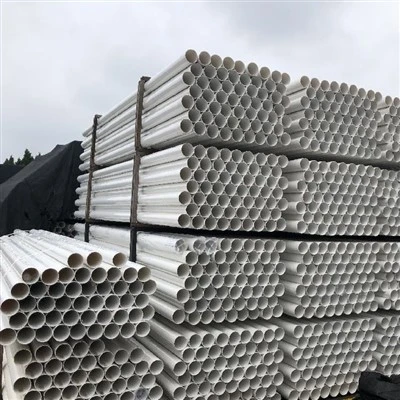
First, let’s talk about the two main types of HDPE products we make for our customers: pipes and fittings, because their surface finishes aren’t identical, and that’s intentional. Pipes are extruded, while fittings are usually injection-molded—two different manufacturing processes that shape how their surfaces turn out, and both are controlled to meet strict industry standards.
Starting with extruded HDPE pipes, which make up the bulk of the products we supply. When molten HDPE resin is pushed through an extruder die, it’s pulled and cooled rapidly on a long, precision-calibrated cooling table. The outer surface of an extruded pipe is almost always smooth, matte, and free of large blemishes like pits, streaks, or warping that would affect performance. The inner surface? It’s just as smooth—one of HDPE’s biggest selling points is its low-friction inner wall, which is part of its surface finish and a huge reason it outperforms older materials like cast iron or galvanized steel in water flow efficiency. A smooth inner surface means less friction loss, so you can move more fluid with less pressure, which cuts down on energy costs for pumping over the lifetime of the pipe. For municipal water lines, that’s a non-negotiable; a rough inner surface would trap sediment, lead to buildup over time, and reduce capacity faster.
Now, let’s be clear: a “smooth” HDPE pipe surface isn’t mirror-polished. It’s a consistent, even matte finish—if you held a new HDPE pipe up next to a stainless steel pipe, the stainless would look much more reflective. That’s not a flaw; it’s the ideal finish for extruded HDPE, because it’s resistant to glare, which is helpful when installing pipes in trenches or dark utility vaults, and it also hides minor handling marks that don’t affect performance. We test every batch of pipes we receive from our manufacturers for surface uniformity, checking for things like color consistency (natural HDPE is milky white, but we also offer black HDPE with UV stabilizers for outdoor use—black is standard for most buried applications because it blocks UV rays that would break down the resin), and no visible porosity that could lead to leaks.
Moving on to HDPE fittings, which are injection-molded. Fittings like elbows, tees, couplings, and end caps have more complex shapes than straight pipes, so they’re made by injecting molten HDPE into a metal mold under high pressure. The surface finish of an injection-molded fitting will also be smooth, but sometimes has a very subtle, faint “mold texture” that’s barely noticeable to the touch—this is a normal part of the molding process, not a defect. What’s important here is that this texture is uniform across the entire fitting; you won’t see uneven patches or dull spots that would indicate an improperly filled mold. Unlike pipes, fittings often have marking on their surface (like size ratings, pressure class, and material specifications) molded into them, and that marking is raised or recessed but integrated smoothly into the surface, not scratched on.
Now, why does this surface finish matter beyond looks? Let’s get into the practical, functional side, because that’s what our customers care about. First, chemical resistance: HDPE’s smooth surface makes it resistant to corrosion, which is why it’s used for both potable water and industrial chemical lines. A rough, pitted surface would give chemicals more places to accumulate and break down the material over time, leading to premature failure. Our products’ uniform surface finishes mean they can hold up to 50+ years of use without degrading, even in harsh soil or chemical environments.
Second, installation ease. A smooth outer surface on pipes means they slide easily into fittings, and when you’re joining HDPE pipes via heat fusion (the standard method for HDPE connections), the smooth ends of the pipe melt evenly when heated, creating a permanent, leak-proof bond. If the pipe surface was rough or uneven, the heat wouldn’t distribute evenly, leading to weak joints that could fail under pressure. For fittings, the smooth interior matches the pipe’s inner surface, so there’s no step between the pipe and fitting that could trap sediment or reduce flow—another big win for water system performance.
Wait, but there are exceptions. We sometimes work with customers who need HDPE pipes for specialized applications, like drainage systems for construction sites, and they ask for a slightly rougher outer surface to help the pipe stay in place in backfill. That’s not a standard finish we produce for our core lines, but it’s a custom order we can fulfill, and we make sure that even the rougher custom finish is consistent and free of defects, so it doesn’t interfere with joint connections. For above-ground applications, like exposed HDPE lines in a industrial facility, we can also provide a UV-stabilized black finish that’s matte and resists fading, so the line looks good and performs well outdoors without needing extra paint or coating.
I’ve been in the HDPE supply business for 12 years, and I’ve seen how much confusion there is around surface finishes. A customer once reached out to us upset because they thought a batch of pipes we supplied was defective—they said the surface was “too matte” compared to a sample they had from another supplier. Turns out, the other supplier had polished their pipes to a semi-gloss finish, which is actually a deviation from industry standards for buried HDPE pipes because the polished finish can be more prone to scratching during installation, and it’s less resistant to UV degradation when exposed briefly during trenching. We walked that customer through the testing data we have on our surface finishes, and they ended up using our product for a 10-mile municipal water line project that’s now in its 7th year with zero leaks or flow issues.
Another common question: do HDPE pipes get scratched, and does that affect surface finish? The answer is, minor scratches from installation are normal, but deep scratches (more than 10% of the pipe wall thickness) are a problem. Our products have a tough outer surface that resists most common construction site abrasions, but we always advise our customers to inspect pipes before installation and reject any with deep, gouging scratches that could weaken the pipe. Even a small scratch, though, won’t cause a leak on its own—it’s when scratches lead to weakened joints that you have issues.
For our customers in the gas industry, the surface finish requirements are even more strict. HDPE gas pipes have a yellow outer surface (standard for gas lines) and a very uniform, smooth finish to meet ASTM standards for pressure containment. The surface is tested for any signs of resin degradation, and we only supply pipes that pass these tests for use in underground gas distribution systems, where a failure could have major safety implications.
So to wrap this up, as someone who works with HDPE pipes and fittings every day, the surface finish isn’t just a nice-to-have. It’s a key performance indicator. The standard matte, uniform finish we provide for most of our products balances flow efficiency, durability, chemical resistance, and ease of installation. Custom finishes are available for specialized projects, but all our products undergo rigorous quality checks to ensure their surfaces meet industry standards and our customers’ needs.

If you’re working on a project that needs HDPE pipes or fittings, whether it’s a small backyard irrigation system, a municipal water line, or an industrial application, we can help you select the right product with the exact surface finish your project requires. We’re here to answer questions, provide spec sheets, and help you make the best choice for your needs. Reach out to us to discuss your project and get the details you need for a successful installation.
PVC Pipe & Fittings References
American Society for Testing and Materials (ASTM) D3350-22, Standard Specification for Polyethylene Plastics Pipe and Fittings Materials
Plastic Pipe and Fittings Association (PPFA) Manual of Polyethylene Pipe and Fittings
National Sanitation Foundation (NSF) Standard 61, Drinking Water System Components – Health Effects
Shanxi Kaisheng Plastic Co., Ltd.
As one of the most professional hdpe pipes and fittings manufacturers and suppliers in China, we’re featured by quality products and good price. Please rest assured to buy customized hdpe pipes and fittings made in China here from our factory. Welcome to contact us for quotation.
Address: No.72, Area S, Gate 1, Haohai Wumart, Fendong Street, Xiaodian District, Taiyuan City, Shanxi Province
E-mail: sxkssj8@163.com
WebSite: https://www.sx-kssj.com/
