Hey there! As a supplier in the rigid flex PCB industry, I often get asked about how to choose the right solder mask. It’s a crucial decision that can significantly impact the performance and reliability of your rigid flex PCBs. So, I thought I’d share some insights on this topic. Rigid Flex PCB
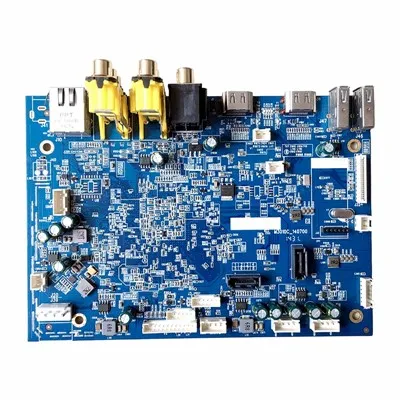
First off, let’s talk about what a solder mask is. A solder mask is a thin layer of polymer that’s applied to the PCB to prevent solder from bridging between different conductors. This helps in ensuring proper soldering and reduces the chances of short circuits. In the case of rigid flex PCBs, which are a combination of rigid and flexible circuit boards, choosing the right solder mask becomes even more important due to the unique requirements of both rigid and flexible parts.
Compatibility with PCB Materials
One of the first things to consider when choosing a solder mask for rigid flex PCBs is its compatibility with the PCB materials. Rigid flex PCBs are made up of different types of materials, such as FR – 4 for the rigid parts and polyimide for the flexible parts. The solder mask needs to adhere well to both these materials.
For the rigid part, most standard solder masks that are designed for FR – 4 boards work just fine. They have good adhesion properties and can withstand the manufacturing processes like soldering. However, when it comes to the flexible part made of polyimide, you need a more specialized solder mask. Polyimide has different surface properties and thermal characteristics compared to FR – 4. A solder mask that’s not compatible with polyimide may delaminate during the flexing or heat – cycling processes, which can lead to reliability issues. So, look for a solder mask that’s specifically formulated for polyimide substrates. Some manufacturers offer solder masks that are labeled as "flex – compatible" or "for polyimide PCBs." These are designed to have better adhesion and flexibility, which is essential for the flexible part of the rigid flex PCB.
Flexibility Requirements
Since rigid flex PCBs have a flexible section, the solder mask needs to be flexible too. The degree of flexibility required depends on how much the PCB will be bent during its normal use. If the PCB will only experience minimal bending, a moderately flexible solder mask may be sufficient. But if it’s going to be bent repeatedly or at tight angles, you need a highly flexible solder mask.
A highly flexible solder mask can withstand the mechanical stress of bending without cracking or peeling. When testing the flexibility of a solder mask, you can perform a simple bend test. Take a sample of the PCB with the applied solder mask and bend it to the expected angle. Check for any signs of cracking or delamination on the solder mask. If there are no visible issues after multiple bends, then the solder mask is likely to be suitable for your application.
Thermal Resistance
Another important factor is the thermal resistance of the solder mask. During the soldering process and normal operation, the PCB can get quite hot. The solder mask needs to be able to withstand these high temperatures without degrading.
For rigid flex PCBs, the temperature requirements can vary. In some applications, the PCBs may be exposed to relatively low temperatures, say up to 100 – 150°C. But in other high – power or high – performance applications, they may need to withstand temperatures of 200°C or more. You need to choose a solder mask that has a high enough glass transition temperature (Tg) for your specific application. The Tg is the temperature at which the solder mask changes from a hard, glassy state to a soft, rubbery state. A higher Tg means the solder mask can maintain its integrity at higher temperatures. Look for solder masks with a Tg that is well above the maximum temperature the PCB will experience.
Chemical Resistance
Rigid flex PCBs may be exposed to various chemicals during their manufacturing processes and in their end – use environments. For example, they may be cleaned with solvents or come into contact with chemicals in industrial settings. The solder mask should be chemically resistant to these substances.
It should resist attacks from common solvents like isopropyl alcohol (IPA), which is often used for cleaning PCBs. It also needs to be resistant to fluxes and other chemicals used in the soldering process. If the solder mask is not chemically resistant, it can get damaged, which may lead to exposed conductors and potential short circuits. You can check the chemical resistance specifications provided by the solder mask manufacturer. Some manufacturers conduct tests to evaluate the resistance of their solder masks to different chemicals and provide detailed reports.
Color and Aesthetics
Yes, the color of the solder mask matters too! While the primary function of the solder mask is to prevent soldering issues, the color can also have some practical and aesthetic implications.
The most common color for solder masks is green, but you can also find them in other colors like red, blue, yellow, and black. Green is a popular choice because it provides good contrast between the solder mask and the copper traces, which makes it easier for the operators to inspect the PCBs during the manufacturing process. However, in some applications, color may be used for identification purposes. For example, if you have different types of PCBs in a system, you can use different colored solder masks to distinguish them easily.
From an aesthetic point of view, some customers may prefer a particular color for their products. For example, a high – end consumer electronics product may look more appealing with a black or red solder mask. So, consider the color requirements based on the application and the customer’s preferences.
Regulatory Compliance
In today’s market, regulatory compliance is a must. The solder mask you choose should comply with relevant environmental and safety regulations. For example, in many regions, PCBs need to comply with the Restriction of Hazardous Substances (RoHS) directive. This directive restricts the use of certain hazardous materials, such as lead, mercury, cadmium, etc., in electronic products.
Make sure the solder mask is RoHS – compliant. You can ask the solder mask manufacturer for a certificate of compliance or a material safety data sheet (MSDS) that lists the chemicals used in the solder mask and their compliance status. Other regulations may also apply depending on the end – use of the PCB, such as military or aerospace standards.
Cost Considerations
Last but not least, cost is always a factor when choosing a solder mask. There are solder masks available at different price points, and you need to balance the cost with the performance requirements.
If your application has relatively low requirements in terms of flexibility, thermal resistance, and chemical resistance, you may be able to choose a more cost – effective solder mask. However, if you need a high – performance solder mask for a critical application, you may have to pay a premium. But remember, choosing a cheaper solder mask that doesn’t meet the requirements can lead to higher costs in the long run due to potential failures and rework.
So, when choosing a solder mask for your rigid flex PCBs, take the time to evaluate all these factors. It’s a decision that can have a big impact on the quality and reliability of your PCBs.
PCB If you’re in the process of sourcing rigid flex PCBs or have questions about solder mask selection, don’t hesitate to reach out to us. We’ve got the expertise and experience to help you make the right choice and provide you with high – quality rigid flex PCBs that meet your specific needs. Whether you’re a small – scale startup or a large – scale OEM, we’re ready to work with you.
References
- IPC – A – 600: Acceptability of Printed Boards, which provides standards and guidelines for PCB quality and acceptance criteria, including requirements related to solder masks.
- Manufacturer datasheets of various solder masks, which contain detailed information about their properties, performance, and recommended applications.
Huaswin Electronics Technology Co., Ltd.
Address: Building A2, Hao Hai Hong Industrial Park, No.3 Yu He Road, Gong He, Sha Jing, Bao An, Shenzhen
E-mail: sales@huaswin.com
WebSite: https://www.huaswin-pcba.com/
