Hey everyone, it’s Sam from your go-to RO water system supplier – and let’s cut to the chase: when I tell most people my job is selling reverse osmosis (RO) water systems, their first question is never about saving the planet. It’s “How much does it cost?” or “Does it taste like leftover pool water?” Which is fair, but lately I’ve had so many customers circle back and ask, “Wait, is this actually better for the environment than bottled water?” That’s the question I want to break down today – no jargon, just real talk from someone who’s installed these systems in homes, coffee shops, and even small schools over the past 7 years. RO Water System
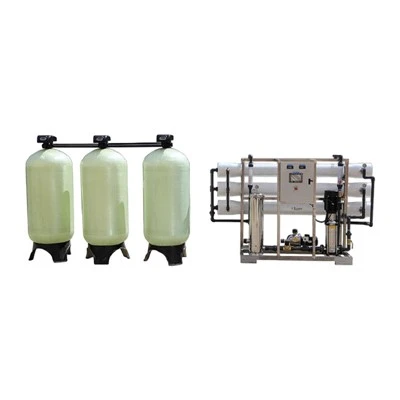
First, let’s get one thing straight: I’m not here to bash RO systems as some perfect eco-solution. But I also get frustrated when people act like RO is either the worst thing ever or a magic bullet. The truth is, it’s complicated – and as someone who’s spent every week hauling replacement filters, troubleshooting leaky installations, and talking to homeowners about their water bills, I’ve seen both the good and the not-so-great sides of how RO impacts our planet. Let’s start with the big, obvious win no one argues about: bottled water waste.
If you’re like me, you used to grab a bottle of Dasani or Aquafina every time you left the house. Until a few years ago, my kitchen counter had a stack of 12oz plastic bottles that I’d throw away every Sunday. Turns out, the average American uses about 167 plastic water bottles a year – and only 23% of those get recycled. The rest end up in landfills, float in the ocean, or break down into microplastics that get into our food chain. When I sell an under-sink RO system that hooks up straight to your tap, that’s 90% of those plastic bottles gone right there. For a family of four, that’s roughly 600 bottles a year they’re not tossing. For a small café? We installed a system for a local spot last year that used to go through 50 cases of 24 bottles a week – that’s 1200 bottles a week, 52 weeks a year, all now eliminated. That’s a huge win for cutting plastic waste, full stop.
But wait – before you run out and buy an RO system, let’s talk about the part that makes a lot of environmentalists side-eye us: water waste. Most RO systems aren’t 100% efficient. That’s a fancy way of saying they use more tap water to flush out the impurities than they actually clean for drinking. Old, cheap RO systems that you might pick up at a big-box store can have a waste ratio of 3:1 – meaning for every 1 gallon of clean water you get, you send 3 gallons down the drain. That’s a big number. If you’re in a place like California where water is scarce, that’s a real problem. But here’s the thing: not all RO systems are made equal. The ones we sell (and install) have come a long way in the last decade – newer models have a 1:1 or even 1.5:1 waste ratio. That cuts that drain water by two-thirds, which makes a massive difference when you’re calculating long-term usage. I had a customer in Arizona last month who was worried about wasting water, so we put in a high-efficiency RO and an automatic drain line that sends the “waste” water straight to his lawn sprinklers. He told me later he’s not just not wasting water – he’s actually watering his yard for free. That’s a hack a lot of people don’t know about, by the way.
Next up: energy use. A lot of people assume RO systems use a ton of electricity, but that’s mostly an old myth. Back in the day, RO systems needed a high-pressure pump to force water through the semipermeable membrane, and those pumps were energy hogs. But again, modern tech has fixed that. The RO systems we stock have energy-efficient pumps that use roughly the same amount of electricity as a standard fridge. Let me do the math quick: a standard fridge uses about 100-200 watts an hour, so an RO system runs about 24/7 but only draws power when it’s refilling the storage tank. So over a month, that’s roughly 20-30 kWh – which is like running a single LED bulb 24/7. Compare that to the energy it takes to make, transport, and cool bottled water. A 2018 study from the Pacific Institute found that it takes about 1.39 million BTUs of energy to produce and transport a single bottle of water – that’s the equivalent of running a 100-watt bulb for 14 hours. So even if your RO uses a tiny bit of electricity, it’s way less than the energy used for bottled water. That’s a no-brainer, right?
Now, let’s get to the not-so-shiny part: filter waste. Every RO system has filters that need to be replaced every 6-12 months, right? Those filters are made of plastic and other materials, so when you toss them in the trash, they don’t decompose quickly. That’s a real downside. I won’t lie – we get comments about this all the time. But here’s what I tell customers: this is a problem that’s solvable, and one that’s way easier to fix than plastic bottle waste. First, we offer a filter recycling program for all the systems we sell. You send back your old filters (free shipping label, no hoops to jump through) and we take them to a specialized facility that breaks them down and reuses the materials. Last year, we recycled over 12,000 filters through that program – that’s about 3,000 pounds of plastic and other materials that didn’t end up in a landfill. Second, newer RO systems have longer-lasting filters. Some of the ones we sell now have filters that last 18-24 months, so you’re not replacing them as often. And finally, compared to the thousands of plastic bottles a family uses a year, the volume of filter waste is tiny. For example, if a family uses 600 plastic bottles a year, that’s 600 individual pieces of trash, plus the cardboard boxes they come in. With an RO system, that’s 2-3 filter changes a year, and now with our recycling program, most of those are diverted from landfills. The math adds up here.
Wait, let’s also talk about the elephant in the room: what about the actual contaminants RO removes, and how that affects water treatment? A lot of people don’t know that tap water, while safe to drink in most places, has stuff like lead, chlorine, PFAS (forever chemicals), and microplastics that standard water treatment plants might not fully remove. RO systems trap almost all of those contaminants. But when you send that waste water down the drain, where does it go? Most of it goes to municipal sewage treatment plants, right? Those plants are designed to handle most pollutants, but they don’t always catch everything. That means the contaminants trapped in the RO waste water end up in local waterways or groundwater. That’s a big concern – and it’s something we’ve been working on addressing. For one, we recommend that customers only use RO systems if they actually need them. If your tap water is already tested and doesn’t have harmful levels of contaminants, a carbon filter (way less waste) is a better fit. But if you do have PFAS or heavy metals in your water, RO is one of the few ways to remove them – and the trade-off is worth it for public health. Also, we’re testing new membrane technology that traps contaminants in a way that the waste water is less harmful. Some of the newer membranes we’re rolling out this year have a much higher rejection rate for PFAS, and the waste water is filtered at a higher level so it’s less of a burden on treatment plants.
Let me share a real example that stuck with me from last year. We installed RO systems at a small elementary school in Flint, Michigan. I know Flint has had a lot of issues with lead in their tap water, so the school district was looking for a safe way to get drinking water without the cost of bottled water for 400 kids. We put in four high-efficiency RO systems, and calculated that over the course of a year, they’d save about 12,000 plastic bottles, cut their water waste by two-thirds compared to old RO models, and the filters would be recycled through our program. The school’s nurse told me later that the kids don’t complain about the water tasting like metal anymore, and the district saved about $8,000 a year on bottled water. That’s the kind of win that makes this job worth it. It’s not just about reducing waste – it’s about making water safe and accessible, which is what everyone should want.
Now, let’s get into some common misconceptions that I hear all the time. First myth: RO is only for rich people. No way – the RO systems we sell start at around $150 for basic under-sink models, and that’s a one-time cost, not a recurring cost like bottled water. A family that spends $20 a week on bottled water will pay back that $150 in less than a year. Second myth: RO removes all the good minerals from water, so it’s not healthy. Yeah, it does remove some minerals, but most people get their minerals from food, not water. And if you’re really worried, there are RO systems with remineralization filters that add back small amounts of calcium and magnesium. I have one under my sink, and I can’t tell the difference in taste – plus, it’s way better than drinking plastic-laden bottled water. Third myth: RO systems are bad for the environment no matter what. Like I said earlier, it all comes down to the model you buy, how you maintain it, and how you dispose of (or recycle) the filters. The cheap, no-name RO you buy at a big box store for $50 is going to be way worse for the environment than a quality system from a reputable supplier.
Let’s also talk about long-term environmental trends. I’ve been in this game long enough to see RO go from a niche product for off-grid homes to something that’s showing up in offices, restaurants, and even grocery stores. The global RO market is projected to keep growing because people are more worried about water quality than ever. But that growth comes with a responsibility to make these systems as eco-friendly as possible. That’s why we work with membrane manufacturers that prioritize sustainable materials, we expanded our filter recycling program last year, and we now offer free water quality tests to every customer who buys a system – so you only buy an RO if you actually need it. We don’t want to sell you something you don’t need just to make a buck. That’s not how we do business.
Wait, let’s circle back to the water waste thing because that’s the most common knock against RO. I did a deep dive on this last year for a local environmental group here in Denver. We calculated that for a family of four in a city with good tap water, switching from bottled water to a high-efficiency RO system saves about 500 plastic bottles a year, cuts energy use by 90% compared to bottled water, and even if the RO uses 10 gallons of tap water a day, if you divert that waste water to your lawn or garden, you’re not wasting a drop. That’s a huge adjustment a lot of people don’t know about – most municipal water systems don’t care if you use that waste water for outdoor use, as long as you’re not dumping it down storm drains. So that’s a free, easy hack to make RO even more eco-friendly.
Of course, there are still challenges. The filter waste is a real issue, and we’re still working on better solutions – we’re testing compostable filter materials right now, and hope to roll that out by next year. The waste water from systems that can’t be diverted is still a concern, but newer membranes are helping with that. And we need to keep educating people that not all RO is created equal – don’t just buy the cheapest system you can find, because it will end up being worse for the environment in the long run.
At the end of the day, here’s what I want you to take away: RO water systems aren’t perfect, but when chosen and used right, they’re way better for the environment than the alternative – which is almost always bottled water. It’s not an either/or. If you have safe tap water, a carbon filter is a great low-waste option. If you have contaminants like lead or PFAS, a high-efficiency RO system with filter recycling is a solid choice that saves plastic, saves energy, and keeps your water safe.

If you’re someone who’s considering an RO system, or you just want to chat more about how to make your home or business water more eco-friendly, I’m here. We do free consultations, can test your water for contaminants, and help you pick a system that fits your needs and your budget. No pushy sales pitches, no hidden fees – just real advice from someone who’s been in the trenches installing these things for years.
Brackish Water RO Membrane References:
Pacific Institute. (2018). Bottled Water and Sustainability: Energy, Carbon, and Water Footprints.
World Health Organization. (2021). Reverse Osmosis for Drinking Water Treatment: Environmental and Health Impacts.
U.S. Environmental Protection Agency. (2022). PFAS Contaminants in Drinking Water: Treatment Technologies.
Water Research Foundation. (2020). Efficiency Improvements in Residential Reverse Osmosis Systems.
Fujian Huamo Technology Co., Ltd.
Fujian Huamo Technology Co., Ltd. is one of the most professional ro water system manufacturers and suppliers in China, featured by quality products and good service. Please rest assured to wholesale the best ro water system made in China here and get price list from our factory. Contact us for custom service and OEM service.
Address: No.6 Hengtong Rd, Shanmei Village, Xiamei Town, Nanan City, Fujian Province, China
E-mail: info@huaromembrane.com
WebSite: https://www.hmromembrane.com/
