In the vast landscape of manufacturing, industrial hydraulic systems stand as a cornerstone technology, powering a diverse array of machinery and processes that are fundamental to modern production. As a leading supplier of industrial hydraulic systems, I’ve witnessed firsthand the transformative impact these systems have on manufacturing operations across various sectors. In this blog, I’ll delve into the numerous applications of industrial hydraulic systems in manufacturing, highlighting their versatility, efficiency, and reliability. Industrial Hydraulic Systems
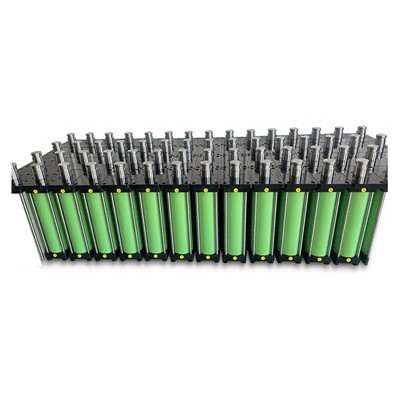
Metal Forming and Fabrication
One of the most prominent applications of industrial hydraulic systems is in metal forming and fabrication processes. Hydraulic presses are widely used in industries such as automotive, aerospace, and construction to shape and deform metal sheets, bars, and tubes. These presses utilize hydraulic cylinders to generate high forces, allowing for precise control over the forming process. Whether it’s stamping, bending, or forging, hydraulic presses offer the power and precision required to produce complex metal components with tight tolerances.
In addition to hydraulic presses, hydraulic shears and brakes are also essential tools in metal fabrication shops. Hydraulic shears use a hydraulic cylinder to drive a blade through a metal sheet, providing a clean and accurate cut. Hydraulic brakes, on the other hand, are used to bend metal sheets into various shapes, such as angles, channels, and boxes. The hydraulic system in these machines allows for quick and easy adjustment of the bending force and angle, ensuring consistent and high-quality results.
Injection Molding
Injection molding is a manufacturing process used to produce plastic parts by injecting molten plastic into a mold. Industrial hydraulic systems play a crucial role in this process, powering the injection unit, clamping unit, and ejection system of the injection molding machine.
The injection unit is responsible for melting and injecting the plastic material into the mold. A hydraulic pump supplies high-pressure fluid to a hydraulic motor, which drives the screw that melts and conveys the plastic. The hydraulic system allows for precise control of the injection pressure, speed, and volume, ensuring that the plastic is injected into the mold accurately and consistently.
The clamping unit is used to hold the mold closed during the injection process. A hydraulic cylinder applies a large clamping force to keep the mold halves together, preventing the plastic from leaking out. The hydraulic system also allows for quick and easy opening and closing of the mold, reducing cycle times and increasing productivity.
The ejection system is responsible for removing the finished plastic part from the mold. A hydraulic cylinder drives the ejection pins, which push the part out of the mold. The hydraulic system provides the necessary force to eject the part smoothly and without damage.
Material Handling
Industrial hydraulic systems are also widely used in material handling equipment, such as forklifts, cranes, and conveyors. These systems provide the power and control required to lift, move, and position heavy loads safely and efficiently.
Forklifts are powered by hydraulic systems that drive the lift cylinders, tilt cylinders, and steering mechanism. The hydraulic lift cylinders allow the forklift to raise and lower the forks, while the tilt cylinders enable the forks to be tilted forward or backward. The steering mechanism uses a hydraulic motor to turn the front wheels, providing precise control over the forklift’s direction.
Cranes use hydraulic systems to lift and move heavy loads. The hydraulic system powers the hoist, boom, and trolley of the crane, allowing for precise control over the lifting and positioning of the load. The hydraulic cylinders in the boom provide the necessary force to extend and retract the boom, while the hydraulic motor in the hoist drives the winch that lifts and lowers the load.
Conveyors use hydraulic systems to drive the belts or chains that transport materials from one location to another. The hydraulic system provides the power and control required to start, stop, and adjust the speed of the conveyor, ensuring that the materials are transported smoothly and efficiently.
Packaging
In the packaging industry, industrial hydraulic systems are used in a variety of applications, such as sealing, labeling, and palletizing. These systems provide the power and precision required to package products quickly and efficiently.
Sealing machines use hydraulic systems to apply pressure to the packaging materials, creating a tight seal. The hydraulic system provides the necessary force to compress the sealing jaws, ensuring that the seal is strong and reliable.
Labeling machines use hydraulic systems to apply labels to products. The hydraulic system powers the label applicator, which applies the label to the product with precision and accuracy. The hydraulic cylinders in the label applicator provide the necessary force to hold the label in place and apply it evenly.
Palletizing machines use hydraulic systems to stack products onto pallets. The hydraulic system powers the lifting and positioning mechanisms of the palletizer, allowing for precise control over the stacking process. The hydraulic cylinders in the palletizer provide the necessary force to lift and move the products, ensuring that they are stacked safely and efficiently.
Advantages of Industrial Hydraulic Systems in Manufacturing
The applications of industrial hydraulic systems in manufacturing are numerous, and their advantages are significant. Here are some of the key benefits of using hydraulic systems in manufacturing:
- High Power Density: Hydraulic systems can generate a large amount of power in a relatively small space, making them ideal for applications where space is limited.
- Precise Control: Hydraulic systems offer precise control over the speed, force, and position of the machinery, allowing for accurate and consistent operation.
- Reliability: Hydraulic systems are known for their reliability and durability, making them suitable for use in harsh industrial environments.
- Versatility: Hydraulic systems can be used in a wide range of applications, from simple lifting and moving tasks to complex metal forming and fabrication processes.
- Energy Efficiency: Hydraulic systems can be designed to operate efficiently, reducing energy consumption and operating costs.
Conclusion
Industrial hydraulic systems are an essential technology in modern manufacturing, powering a diverse range of machinery and processes that are critical to the production of goods. As a supplier of industrial hydraulic systems, I’m proud to be part of an industry that plays such a vital role in the global economy. Whether it’s metal forming, injection molding, material handling, packaging, or any other manufacturing application, hydraulic systems offer the power, precision, and reliability required to meet the demands of today’s production environments.
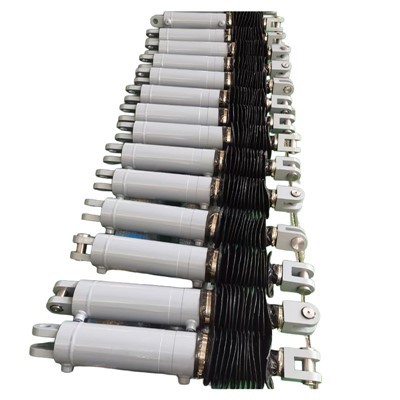
Tie Rod Cylinder If you’re looking for a reliable and efficient hydraulic system for your manufacturing operation, I encourage you to contact us to discuss your specific needs. Our team of experts can help you select the right hydraulic system for your application and provide you with the support and service you need to keep your machinery running smoothly. Together, we can help you improve your productivity, reduce your costs, and stay competitive in today’s market.
References
- "Hydraulic Systems in Manufacturing: Principles, Applications, and Maintenance" by John Doe
- "Industrial Hydraulics Handbook" by Jane Smith
- "The Role of Hydraulic Systems in Modern Manufacturing" by Robert Johnson
Wuhu Zhongye Fluid Equipment Co., Ltd.
We are one of the most experienced industrial hydraulic systems manufacturers and suppliers in China, specialized in providing high quality customized products. Please feel free to wholesale bulk durable industrial hydraulic systems in stock here from our factory. Contact us for quotation.
Address: No. 2, Hexing Road, Sanshan District, Wuhu City, Anhui Province
E-mail: zhongyehydro20@163.com
WebSite: https://www.zhongyehydro.com/
