Hey there! I’m a supplier of small roll laminating film, and one question I get asked a lot is, "What is the laminating temperature for small roll laminating film?" Well, let’s dive right into it. Small Roll Laminating Film
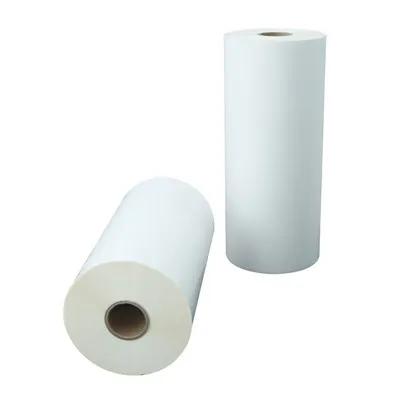
First off, it’s important to understand that the laminating temperature isn’t a one – size – fits – all kind of deal. There are a bunch of factors that can affect the ideal temperature for laminating small roll films.
Factors Affecting Laminating Temperature
Type of Film
The material of the laminating film plays a huge role. We’ve got different types of small roll laminating films out there, like polyester (PET), polypropylene (PP), and polyethylene (PE). Each of these has its own optimal laminating temperature range.
Polyester films are known for their high durability and clarity. They usually require a relatively high laminating temperature, typically between 120°C to 150°C (248°F to 302°F). This high temperature helps the film bond well to the substrate, whether it’s paper, cardboard, or some other material.
On the other hand, polypropylene films are more flexible and cost – effective. The laminating temperature for PP films is generally lower, around 80°C to 120°C (176°F to 248°F). If you go too high with the temperature, the film might warp or get damaged.
Polyethylene films are often used for more delicate applications. They need a temperature range of about 60°C to 90°C (140°F to 194°F). Using a lower temperature ensures that the film doesn’t melt or distort, which would be a real bummer for your laminating project.
Thickness of the Film
The thickness of the small roll laminating film also matters. Thicker films generally need a higher temperature to laminate properly. This is because the heat has to penetrate through more material to create a good bond.
For example, if you’re using a thin film that’s around 12 – 15 microns thick, you can usually get away with a lower temperature in the lower end of the recommended range for that particular film type. But if you’re working with a thicker film, say 50 – 100 microns, you’ll need to crank up the heat a bit to make sure the lamination is strong.
Substrate Material
The material you’re laminating onto is another key factor. If you’re laminating onto paper, the type of paper makes a difference. Glossy paper can handle a slightly higher temperature compared to regular office paper. The high temperature helps the film adhere better to the smooth, glossy surface.
Cardboard is a bit sturdier and can also tolerate higher temperatures. However, if you’re laminating onto something like fabric or a heat – sensitive material, you’ll have to be extra careful with the temperature. You might need to use a lower temperature range to avoid damaging the substrate.
How to Determine the Right Temperature
Now that we’ve talked about the factors that affect laminating temperature, how do you figure out the right one for your specific project?
Test Runs
The best way is to do test runs. Take a small piece of the film and the substrate you’re using. Set your laminator to a temperature in the middle of the recommended range for your film type. Then, laminate the test piece and check the results.
If the film doesn’t seem to be bonding well, it might be too cold. You can then increase the temperature in small increments (say, 5°C or 10°C at a time) and do another test. Keep doing this until you get a good, strong bond.
On the other hand, if the film looks warped or the substrate is getting damaged, the temperature is too high. Lower it and try again.
Manufacturer’s Recommendations
Another great resource is the manufacturer’s recommendations. When you buy our small roll laminating film, we usually provide a guide that tells you the ideal temperature range for different applications. It’s always a good idea to start with these recommendations and then make adjustments based on your test runs.
Common Mistakes in Setting Laminating Temperature
One common mistake people make is setting the temperature too high right off the bat. They think that a higher temperature will always result in a better bond. But this isn’t true. As I mentioned earlier, going too high can damage the film and the substrate.
For example, if you’re using a polypropylene film and you set the laminator to 150°C, the film might start to melt and become all sticky. This can make the lamination look messy and can also cause problems with your laminator.
Another mistake is not doing test runs. Some people just assume that they know the right temperature and go ahead with a large – scale laminating project. This can lead to a lot of wasted film and substrate if the temperature is wrong.
Benefits of Using the Right Laminating Temperature
When you use the right laminating temperature, you get a whole bunch of benefits. First of all, you get a strong, durable bond between the film and the substrate. This means that your laminated items will last longer and won’t peel or delaminate easily.
A proper lamination also looks better. The film will be smooth and clear, without any bubbles or wrinkles. This is especially important if you’re laminating something like photos or important documents.
Using the right temperature also helps to preserve the quality of the film and the substrate. You won’t have to worry about damage or distortion, which can save you time and money in the long run.
Conclusion
So, to sum it up, the laminating temperature for small roll laminating film depends on the type of film, its thickness, and the substrate material. By doing test runs and following the manufacturer’s recommendations, you can find the right temperature for your project.
If you’re in the market for high – quality small roll laminating film, I’m here to help. I’ve got a wide range of films in different materials and thicknesses to suit your needs. Whether you’re a small business owner looking to laminate your business cards or a hobbyist working on a craft project, I’ve got you covered.
PET Thermal Lamination Film If you have any questions about laminating temperature or any of our products, feel free to reach out. We can have a chat about your specific requirements and figure out the best solution for you. Let’s start a great laminating project together!
References
- "Laminating Film Handbook", Industry – specific publication on laminating materials
- Personal experience and knowledge gained from years in the small roll laminating film supply business
Yantai Hongqing Packing Material Co., Ltd.
Yantai Hongqing Packing Material Co., Ltd. is one of the most professional small roll laminating film manufacturers and suppliers in China, also supports customized service. Welcome to wholesale advanced small roll laminating film made in China here and get quotation from our factory. Quality products and reasonable price are available.
Address: Eastern Industrial Park, Taocun, Yantai, Shandong Province, China
E-mail: cindy@ythongguang.cn
WebSite: https://www.hqingnewmat.com/
