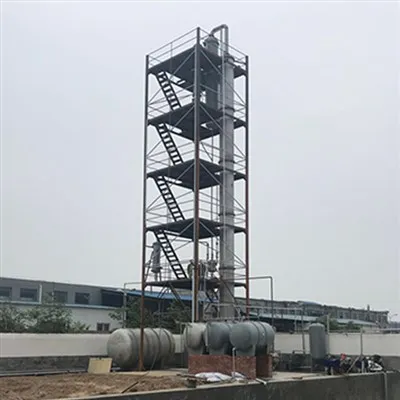
PMMA (Polymethyl Methacrylate), commonly known as acrylic, is a versatile thermoplastic with applications ranging from automotive components to optical devices. The PMMA cracking furnace is a crucial piece of equipment in the recycling and production process of PMMA. As a supplier of PMMA cracking furnaces, I understand the significance of adhering to strict quality standards to ensure the efficiency, safety, and durability of our products. PMMA Cracking Furnace
1. Design and Construction Standards
Structural Integrity
The design of a PMMA cracking furnace should prioritize structural integrity. The furnace body is typically made of high – quality steel, which can withstand high temperatures and pressure. The thickness of the steel plates is carefully calculated based on the maximum operating temperature and pressure of the furnace. For example, in a typical PMMA cracking furnace operating at around 400 – 500°C, the steel plates used for the outer shell may have a thickness of 10 – 20 mm to prevent deformation and ensure long – term stability.
The internal structure of the furnace also needs to be well – designed. The cracking chamber should be designed to provide uniform heating to the PMMA material. This often involves the use of a well – distributed heating system, such as multiple heating elements placed at strategic locations within the chamber. The shape of the cracking chamber can also affect the cracking efficiency. A cylindrical or rectangular chamber with a smooth inner surface can reduce the flow resistance of the PMMA melt and promote better heat transfer.
Sealing Performance
Good sealing performance is essential for a PMMA cracking furnace. Leakage of PMMA vapor or cracking products can not only cause environmental pollution but also pose safety hazards. The joints and connections of the furnace, such as the doors, pipes, and flanges, should be sealed properly. High – temperature resistant gaskets made of materials like graphite or ceramic fiber are commonly used to ensure a tight seal. Regular inspection and maintenance of the sealing components are necessary to prevent leakage over time.
2. Heating System Standards
Temperature Control Accuracy
The heating system of a PMMA cracking furnace must be able to achieve and maintain the desired cracking temperature accurately. PMMA cracking usually occurs at a specific temperature range, and a deviation from this range can lead to incomplete cracking or the formation of unwanted by – products. A high – quality PMMA cracking furnace should have a temperature control accuracy of ±5°C or better.
Advanced temperature sensors, such as thermocouples or resistance temperature detectors (RTDs), are used to monitor the temperature inside the furnace. These sensors are connected to a sophisticated control system that can adjust the heating power in real – time to maintain the set temperature. For example, if the temperature inside the furnace drops below the set value, the control system will automatically increase the power supply to the heating elements.
Heating Rate
The heating rate is also an important factor in the PMMA cracking process. A too – fast heating rate can cause the PMMA to decompose too rapidly, leading to uneven cracking and the formation of large – sized by – products. On the other hand, a too – slow heating rate can reduce the production efficiency. A suitable heating rate for PMMA cracking is typically in the range of 5 – 20°C per minute, depending on the specific characteristics of the PMMA material and the design of the cracking furnace.
3. Safety Standards
Over – temperature Protection
Over – temperature protection is a fundamental safety feature of a PMMA cracking furnace. If the temperature inside the furnace exceeds the safe operating limit, it can cause severe damage to the furnace and pose a fire or explosion hazard. A high – quality PMMA cracking furnace is equipped with multiple over – temperature protection devices.
One common over – temperature protection device is a thermal cutoff switch. When the temperature reaches a pre – set limit, the thermal cutoff switch will automatically cut off the power supply to the heating elements, preventing further temperature rise. In addition, some furnaces are also equipped with a redundant over – temperature protection system, such as a secondary temperature sensor that can trigger an alarm and shut down the entire system in case of a primary sensor failure.
Pressure Relief
During the PMMA cracking process, pressure may build up inside the furnace due to the release of gases. To prevent the furnace from exploding under excessive pressure, a pressure relief device is essential. A pressure relief valve is commonly used, which is set to open at a specific pressure value. When the pressure inside the furnace exceeds this value, the pressure relief valve will open, allowing the excess gas to escape safely.
4. Material Compatibility Standards
Resistance to Corrosion
The materials used in the construction of a PMMA cracking furnace should have good resistance to corrosion. PMMA cracking products may contain acidic or alkaline substances, which can corrode the internal components of the furnace over time. The inner lining of the cracking chamber is often made of corrosion – resistant materials such as stainless steel or ceramic.
Stainless steel with a high chromium and nickel content, such as 316L stainless steel, is widely used due to its excellent corrosion resistance in a variety of chemical environments. Ceramic materials, such as alumina or zirconia, are also popular for their high – temperature and corrosion – resistant properties.
Compatibility with PMMA
The materials in contact with PMMA should be compatible with it to avoid any chemical reactions that could affect the quality of the cracking products. For example, the surface of the heating elements should not react with the PMMA melt to produce impurities. The choice of materials for the internal parts of the furnace is carefully considered to ensure that they do not contaminate the PMMA during the cracking process.
5. Environmental Standards
Emission Control
In today’s environmentally conscious world, the PMMA cracking furnace should meet strict emission control standards. The cracking process may produce some pollutants, such as volatile organic compounds (VOCs) and particulate matter. A high – quality PMMA cracking furnace is equipped with an effective emission control system.
This may include a gas purification system that uses activated carbon filters or catalytic converters to remove VOCs from the exhaust gas. Particulate matter can be removed by using cyclone separators or bag filters. The emission levels of the furnace should comply with local and international environmental regulations.
Energy Efficiency
Energy efficiency is another important environmental consideration. A well – designed PMMA cracking furnace should consume less energy while achieving the same or better cracking performance. This can be achieved through the use of advanced insulation materials to reduce heat loss, and the optimization of the heating system to improve energy conversion efficiency.
6. Quality Assurance and After – Sales Service
Quality Certification
As a responsible PMMA cracking furnace supplier, we ensure that our products meet international quality standards. Our furnaces are often certified by relevant organizations, such as ISO 9001 for quality management systems and CE for compliance with European safety, health, and environmental protection standards. These certifications are a testament to the high quality of our products.
After – Sales Service

We also provide comprehensive after – sales service to our customers. This includes installation guidance, operator training, and regular maintenance services. Our technical support team is available 24/7 to answer any questions and solve any problems that our customers may encounter during the use of the PMMA cracking furnace.
PMMA Exhaust Gas Treatment Equipment In conclusion, the quality standards for a PMMA cracking furnace cover a wide range of aspects, from design and construction to safety, environmental protection, and after – sales service. As a supplier of PMMA cracking furnaces, we are committed to providing high – quality products that meet or exceed these standards. If you are interested in purchasing a PMMA cracking furnace or have any questions about our products, please feel free to contact us for a detailed discussion and negotiation.
References
- ASTM International standards related to high – temperature equipment design and safety.
- ISO standards for quality management and environmental protection.
- Technical literature on PMMA recycling and cracking processes from industry – recognized research institutions.
Wuxi Quansheng Industrial Equipment Co., Ltd.
As one of the most professional PMMA cracking furnace manufacturers and suppliers in China, we have world-leading production equipment and strong manufacturing capabilities. Welcome to buy high quality PMMA cracking furnace for sale here from our factory. For price consultation, contact us.
Address: No.10, Fulaiqiao Road, Hudai Town, Binhu District, Wuxi City, Jiangsu Province, China
E-mail: 397293586@qq.com
WebSite: https://www.pmmatech.com/
