If you’ve ever ordered fabric for activewear, lingerie, or even industrial packaging, you’ve probably seen the term “DTY Nylon Yarn” pop up in product specs. Maybe you scratched your head and thought, “Wait, what does DTY even stand for, and why does it matter that it’s nylon?” As a yarn supplier who’s been in the game for over a decade, I get that terminology can feel like a secret code—so let’s break it down straight, no fancy jargon or fluff. First off, DTY is short for Draw Texturized Yarn. And DTY Nylon Yarn? It’s not just some random stretchy fiber; it’s a workhorse material that’s responsible for everything from the leggings you wear to a loved one’s fuzzy winter socks, even parts of car interiors. Let’s start with the “why” behind DTY itself. Back in the day, nylon was a straight, rigid fiber—great for durability, but totally not stretchy, which made it useless for most stretch clothing. Texturizing nylon changed that, and that’s exactly what DTY is. The process works like this: first, we take a fully drawn nylon filament—this is the long, thin, super strong strand that’s already been stretched during the initial extrusion process when we make nylon from polymer chips. Then, we heat it up a little (not enough to melt it, just enough to make it flexible) and feed it through a texturizing machine. The machine twists and crimps the filament, looping it into little tight curls and twists, like a piece of wire you bend back and forth until it’s springy. Once it cools and sets, those curls don’t go away. That’s what gives DTY nylon its signature stretch—without making it weak or flimsy. Compare that to another type of nylon yarn, like FDY (Fully Drawn Yarn), which is completely straight and non-stretchy, or POY (Partially Oriented Yarn), which is only partially stretched and needs another step to turn into a usable yarn. DTY hits the sweet spot for most manufacturers because it’s ready to use right off the cone, has consistent stretch, and stands up to washing way better than old-school stretchy fibers. Now, nylon itself is a big deal here, too. Nylon is a polyamide fiber, meaning it’s super strong, abrasion-resistant, and moisture-wicking—way more so than polyester, which is another common synthetic. When you combine nylon’s inherent properties with DTY’s texturizing, you get a yarn that’s stretchy, durable, soft against skin, and able to hold its shape for years. That’s why brands love it: activewear companies use it for waistbands and leggings because it snaps back after you stretch it, hosiery brands use it for opaque tights that don’t run easily, and even industrial suppliers use it for heavy-duty strapping because it’s strong enough to hold tons of weight without breaking. Wait, let’s clear up a common mix-up: some people call DTY nylon “nylon stretch yarn,” but that’s not the full story. Stretch can come from other fibers, like elastane (spandex), but DTY is all about modifying the nylon itself, so it doesn’t require adding extra stretch fibers. That makes it a win for manufacturers because it’s often cheaper and easier to work with than blends—no need to knit or weave two different fibers together to get that stretch. From a supplier’s perspective, I see this every day: customers come to us saying they “need DTY nylon,” and half the time they don’t even know why it’s the right fit for their product. For example, a lingerie brand might come to me because they test other yarns and find that DTY nylon doesn’t pill as much as blended stretch yarn, even after 20 washes. An industrial fabric maker might choose it because it’s lighter than polyester but twice as strong, perfect for heavy-duty tote bags or conveyor belts. The key here is understanding the specifications of DTY nylon: not all DTY is created equal. The denier (that’s the thickness of the yarn) matters—you can get DTY nylon from 15 denier (super thin, for sheer hosiery) all the way up to 1000 denier (thick, for heavy upholstery). The twist level also makes a difference: a higher twist gives a more structured yarn, good for things like bra straps, while a lower twist gives a softer, more flexible yarn for athletic wear. That’s why we don’t just sell “DTY nylon” off the shelf—we work with customers to match the right denier and twist to their exact product needs. A lot of new brands might not know that, so they’ll order a random DTY nylon cone and find it doesn’t work for their leggings because it’s too thin. We take the time to walk them through that, because our job isn’t just to sell yarn—it’s to make sure they get the right material for their product. Another thing people don’t talk about enough is the sustainability angle, even with synthetic yarns like DTY nylon. A few years back, all DTY nylon was made from virgin nylon chips, but now we (and a lot of other suppliers) offer recycled DTY nylon, made from post-consumer nylon waste like old fishing nets, textile scraps, even carpet fibers. That’s a game-changer for brands that want to cut down on their environmental impact without sacrificing performance. Recycled DTY nylon has the same stretch and strength as virgin, and it’s just as easy to work with—so it’s not a compromise. I’ve had customers switch from virgin to recycled DTY nylon and see no dip in product quality, which is awesome. Now, let’s get back to the original question: why does the full form matter? If you’re a fashion designer or a fabric buyer, knowing that DTY is Draw Texturized Yarn tells you exactly what you’re getting: a stretchy, ready-to-use nylon yarn that’s been texturized for elasticity. If it were FDY nylon, you’d have to add a separate step to get stretch, which adds time and cost. If it were another fiber, like polyester DTY, it would have different wicking and strength properties. So the full form isn’t just a random acronym—it’s a quick way to understand the key characteristics of the yarn. For anyone who’s new to sourcing yarn, that’s a huge time-saver. I remember when I first started in this business, I was confused by all the acronyms too—POY, FDY, DTY, NIM (Needle Loom Yarn, another term sometimes thrown around). It took a few years to memorize what each one meant, but once you do, you can tell a lot about a product just by the name. As a supplier, I make it a point to explain these terms to anyone who’s unsure. I don’t want a customer to order the wrong thing because they didn’t know what DTY stood for. For example, last month a small apparel brand owner emailed me saying they needed DTY nylon for their new line of maternity leggings. They didn’t realize that there are different stretch levels in DTY—some have 15% stretch, some have 30% stretch. We walked through their needs: maternity leggings need to stretch a lot to grow with a belly, so we recommended a 30% stretch DTY nylon in 40 denier, soft enough for sensitive skin, and they ended up with a product that sold out in two weeks. That’s the value of knowing the terminology, right? It connects the supplier and the customer to make something good. Let’s also address a common myth: some people think DTY nylon is “inferior” because it’s synthetic. But honestly, it’s one of the most versatile fibers out there. It’s not just for cheap activewear—high-end designer brands use it too, because it holds its shape, doesn’t fade, and feels soft against skin. I supply DTY nylon to a luxury lingerie brand that uses it in their best-selling lace bras, and they tell me it doesn’t stretch out after a year of wear, which is way better than cotton blends that sag after a few washes. So it’s not about being cheap—it’s about performance. If you’re in the market for DTY nylon yarn, there are a few things to keep in mind before you order. First, know your product’s requirements: do you need it for sheer hosiery, thick athletic wear, or industrial strapping? That will tell you the denier and twist level you need. Second, decide if recycled or virgin is better for your brand’s values. Recycled is a great option for most applications now, so don’t sleep on that. And third, make sure your supplier is transparent about their process—ask if they test the yarn for consistency, if their texturizing equipment is up to date, and if they can provide samples before you place a big order. A good supplier will be happy to answer all those questions, because they want you to be happy with your yarn, too. At the end of the day, DTY nylon is more than just a bunch of letters and a fiber. It’s the reason your favorite pair of leggings fits just right, the reason your tights don’t run when you walk, the reason industrial products hold up for years. As someone who’s worked with this yarn for so long, I know how important it is to get the right type for your project. If you’re a brand owner, fabric manufacturer, or designer who’s looking for high-quality DTY nylon yarn—whether it’s virgin or recycled, in a specific denier or stretch level—feel free to reach out to us. We’ll send you free samples, walk you through any questions you have, and help you find exactly what you need for your products. No hidden fees, no confusing jargon, just straight talk and reliable yarn. DTY Nylon Yarn

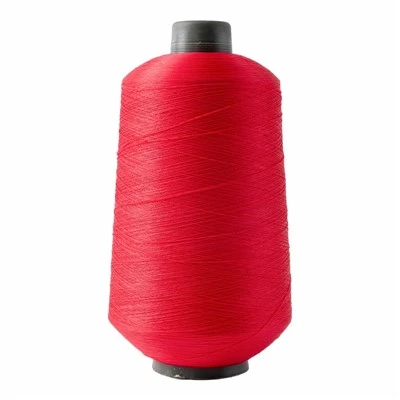
Air Polyester Covered Yarn References
- Textile Institute. (2020). Textile Yarn Technology: Processing and Applications. Manchester, UK: Textile Institute.
- Synthetic Fiber Manufacturers Association. (2021). Nylon Yarn Specifications and End-Use Applications. Washington, DC: Synthetic Fiber Manufacturers Association.
- Sustainable Textiles Council. (2022). Recycled Synthetic Fibers: Performance and Quality Standards. Brussels, Belgium: Sustainable Textiles Council.
Zhuji Yuanhui Import & Export Co., Ltd.
Zhuji Yuanhui Import & Export Co., Ltd. is one of the most professional dty nylon yarn manufacturers and suppliers in China. With abundant experience, we warmly welcome you to buy high-end dty nylon yarn made in China here from our factory. If you have any enquiry about quotation and free sample, please feel free to email us.
Address: No.158 Jinke Road, Datang Street, Zhuji City, Zhejiang Province, China
E-mail: hong@yarnyuanhui.com
WebSite: https://www.yarnfty.com/
