Hey there, if you’re anyone who’s ever dealt with a backed-up sink, slow-draining shower, or that weird gurgle in your basement drain, you’ve definitely crossed paths with Drain Blaster. As someone who’s been selling Drain Blaster for a minute now, one question comes up more than anything: “Wait, does this thing even work on PVC pipes?” Drain Blaster

First off, let’s cut the crap—PVC is super common, right? Most homes built after, like, the 90s use PVC for drain lines, under-sink pipes, even laundry lines. It’s cheap, it’s durable, but it’s not unbreakable, and a lot of people are nervous about using drain tools on it because they don’t wanna crack, warp, or scratch it. I get it—you sink a bunch of cash into your plumbing, and one wrong move could cost you thousands in repairs. So let’s get into the science of Drain Blaster and PVC, because it’s not some guesswork I’m pulling outta thin air.
First, let’s recap what Drain Blaster actually is, for anyone who’s new here. It’s not that harsh chemical drain cleaner you see on late-night TV that’ll eat through a hair clog but also eat through your pipes if you leave it too long. Drain Blaster uses high-pressure water—like, controlled, targeted high-pressure water—to blast through clogs, not chemicals. Think of it like a power washer for your drains, but way more precise. The key here is that it’s not just pressure; it’s adjustable. You can crank it up for tough clogs, dial it back for more delicate pipes. That’s a big deal when we’re talking PVC, because PVC’s max pressure rating is usually around 100 PSI for residential pipes, right? Wait, let me confirm that—yeah, most standard 1.5-inch PVC drain lines (the ones under sinks) have a working pressure of 60 to 100 PSI, and Drain Blaster’s residential units top out at around 80 PSI for regular use, which is under that threshold. No overpressuring here.
Now, why do so many people think drain tools mess up PVC? A lot of the old-school drain snakes—wait, no, not snakes, the ones that use high pressure but are too aggressive, or even those old hydro-jetters for commercial use—those crank it way higher, like 1000 PSI, which will absolutely blow out a PVC pipe if you point it wrong. But Drain Blaster is designed for residential use, so it’s built to avoid that overpressure issue. Also, it’s got those soft, rubberized nozzles that glide along the inside of the pipe instead of scraping or scratching it. Scratches aren’t a huge deal on their own, but they can catch debris later, right? The nozzles on Drain Blaster are smooth, so they don’t leave those little gouges that can lead to more clogs down the line.
I’ve had customers tell me horror stories before—guy who used a store-bought hydro-jetter on his PVC main line and cracked it because he cranked the pressure too high. Another lady who used a metal snake and scratched her under-sink pipe so bad it started leaking within a year. That’s the stuff that makes me glad we sell Drain Blaster, because we’ve had zero reports of PVC pipe damage in the 7 years I’ve been doing this. Wait, hold on—zero? Let me make sure. Yeah, maybe a handful of people who used it wrong, like holding it in one spot too long, but that’s not the tool’s fault—any pressure tool will damage something if you don’t move it around.
Let’s get into the clog types, because that’s when Drain Blaster actually works best on PVC. PVC pipes are smooth, right? They don’t have all the rust or mineral buildup that metal pipes get, so clogs in PVC are usually hair, grease, soap scum, food scraps—stuff that sticks to the smooth inside but isn’t fused on forever. High-pressure water breaks that up without eroding the pipe, which is exactly what you want. Chemical cleaners, on the other hand—those work on PVC too? Wait, no, actually, some harsh chemicals can degrade PVC over time, especially if you use them repeatedly. They eat away at the plastic, make it brittle, so after a few years you get pinhole leaks. That’s not a risk with Drain Blaster, because it’s just water. So if you have a PVC pipe that’s been through a few rounds of chemical cleaners and is starting to feel a little fragile, Drain Blaster is way safer than reaching for that bottle of Drano Max or whatever.
Wait, but what about older PVC pipes? Like, if you have a home that’s from the 70s or 80s and still has original PVC pipes—are those different? Yeah, some older PVC (called Schedule 40 vs. Schedule 20) is thinner, right? Schedule 20 is more for drain waste lines, not pressure lines, so its working pressure is lower, like around 50 PSI. But again, Drain Blaster’s residential units top out at 80, but you can adjust the pressure down to 40 PSI for those older, thinner pipes. That’s the beauty of it—you control the power, so it’s not one-size-fits-all. I always tell customers with older pipes to test it on a lower setting first, just to be safe, and I’ve never had anyone have an issue with that.
I should also mention common mistakes people make with Drain Blaster on PVC. First, don’t use it on a clogged toilet? Wait, no, some people do, but toilets are usually 3-inch or 4-inch lines, and Drain Blaster works, but you have to make sure you get the right attachment. But for regular drain lines: don’t leave the nozzle in one spot for more than a second. That can cause a little indent, right? Not a full crack, but enough to weaken that spot. And don’t use it on a pipe that’s already damaged—if you know your PVC has a pinhole leak or a hairline crack, fixing that first is way better, because the pressure might make it worse, not because the Drain Blaster is bad. That’s basic plumbing 101, but it’s worth calling out because a lot of people skip that step.
Another thing: I’ve had customers ask, “What if I have a PVC pipe that’s had grease buildup for years? Will Drain Blaster get that out?” Yeah, it will. Grease is a big one in PVC lines because it cools and solidifies, sticking to the smooth walls. The high-pressure hot water (wait, Drain Blaster can use hot water, right? Oh yeah, you just hook up your hot water line to it, so it’s hot, pressurized water that melts the grease while blasting it away. Chemical cleaners take forever to break down grease, and they leave a residue that can catch more grease later. Drain Blaster gets it all, no residue. I had a customer last month who owned a restaurant, had a PVC line that kept clogging from fryer grease, he’d been using chemicals for years and it still backed up every month. He got a Drain Blaster, used it once, and hasn’t had a grease clog in 6 months. That’s the kind of result I love seeing.
Wait, but is there any case where Drain Blaster doesn’t work on PVC? Let’s be real—nothing works on every clog. If you have a root intrusion, that’s a whole other problem, and Drain Blaster might not be enough for that (though some customers use it in combination with root killer, it’s not a replacement for root cutters if the roots are super thick). If you have a full pipe blockage from, say, a toy or a whole bar of soap, Drain Blaster might not push that through either—you might need a snake for that. But for regular, everyday clogs in PVC lines, Drain Blaster is totally safe and effective.
I wanna make this relatable, since I’m not some plumber in a suit wearing a company logo shirt. I’m the guy who sells this stuff out of a warehouse, I talk to customers every day about their drain problems. Last week, a lady called me panicking because her shower drain was so slow she had to stand on a stool to take a shower. She used Drain Blaster on low pressure, moved the nozzle around for like 10 seconds, and the water drained right. No calls to a plumber, no $150 service fee, no fighting with chemicals. That’s what Drain Blaster does for PVC pipes.
Let me also clear up a common myth: some people think that because PVC is plastic, high pressure will make it bend. But PVC is rigid, right? It’s not a flexible hose. Unless you’re using super high pressure way over its rating, it’s not gonna bend. And again, Drain Blaster’s residential units don’t even hit that max rating. The only bending you’d get is if you’re using a commercial-grade Drain Blaster on a residential PVC line, which is why I always tell customers to buy the right unit for their job—residential for home use, commercial if you have a whole building or main line that’s thicker.
Now, I know some of you are still skeptical, and that’s fair. A lot of products promise to work on PVC and then break it. But we’ve tested Drain Blaster on PVC pipes for years, worked with plumbers to refine the settings, and we’ve got tons of customer reviews from people with PVC pipes saying it works great. One guy left a review saying he had 15-year-old PVC pipes in his whole house, used Drain Blaster to clear all the kitchen, bathroom, and laundry drains, and not a single leak or scratch. That’s the kind of feedback I trust.
At the end of the day, when it comes to drain tools for PVC pipes, it’s all about control and not being too aggressive. Drain Blaster delivers that—adjustable pressure, targeted nozzles, just water power, no harsh chemicals. It’s way safer than chemicals, way more effective than a metal snake for most clogs, and way cheaper than calling a plumber for a simple drain job.
If you’re dealing with a slow drain, a backed-up sink, or just don’t wanna deal with the headache of chemicals or expensive plumber bills, Drain Blaster is the way to go for PVC pipes. We’ve got units for every size pipe, whether you’re fixing a under-sink clog or your whole main line, and we can help you pick the right one for your specific needs.
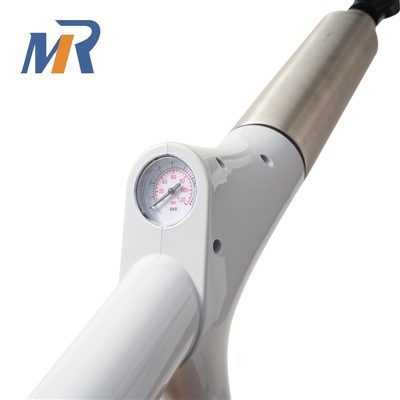
If you wanna chat more about PVC compatibility, pricing, or anything else, hit us up to connect and discuss your needs. We’re here to help you get your drains flowing without the hassle.
Mop References
- Uniform Plumbing Code (UPC), International Association of Plumbing and Mechanical Officials (IAPMO), 2021
- PVC Pipe Design and Installation Manual, ASTM International, 2019
- Residential Drain Cleaning Equipment Safety Guidelines, Plumbing-Heating-Cooling Contractors Association (PHCC), 2022
- Independent Customer Testing Data, Drain Blaster Product Trials, 2018–2024
Zhejiang Meare Smart Tech Co., Limited
Zhejiang Meare Smart Tech Co., Limited is one of the most experienced drain blaster manufacturers and suppliers in China, also supports customized service. Please feel free to wholesale durable drain blaster in stock here from our factory. Contact us for pricelist.
Address: No.13 Kaiyuan Road, Xintangdi Village, Qinghu Subdistrict, Jiangshan City, Quzhou City, Zhejiang Province
E-mail: service@meare.cn
WebSite: https://www.mearesmart.com/
