If you’ve worked with melamine board—whether as a furniture maker, interior designer, or a homeowner upgrading a living space—you know it’s a workhorse material. It’s affordable, durable, comes in endless decorative finishes, and stands up to everyday wear far better than solid wood in many cases. But even melamine board has its kryptonite: water stains. I see this issue come up all the time, both from professional clients who order our melamine panels for custom projects and DIYers who accidentally spill water on a coffee table or bookshelf they put together themselves. Most people reach for harsh chemicals right away, or scrub too hard, and end up damaging the finish worse than the stain ever did. Today, I’m breaking down what actually works, why it works, and how we as a melamine board supplier recommend approaching these stains without ruining the material you’ve invested in. Melamine Board
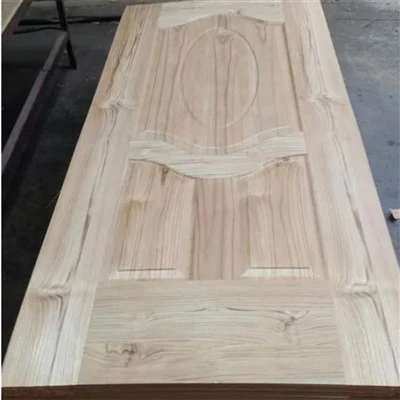
First, let’s get one thing straight: melamine board isn’t the same as solid wood, laminate, or MDF. It’s a engineered wood product made of particleboard or medium-density fiberboard (MDF) core, coated with a thin melamine resin finish that’s pressed on under high heat. That melamine layer is tough, but it’s not impermeable. Water stains fall into two main categories, and knowing which one you’re dealing with is the first step to fixing it right. The first is surface water stains: these are stains that sit on top of the melamine finish, usually from a wet glass left on a table overnight, a spilled drink that wasn’t wiped up for a few hours, or a small pool of water on a countertop. They’re light-colored, sometimes cloudy or ring-shaped, and don’t penetrate the finish. The second is penetrating water stains: these happen when water seeps past the melamine coating, usually if the finish is scratched, chipped, or if water was left standing for a long time. If you have a penetrating stain, it might be darker, or it might look discolored inside the core of the board, especially if it’s on an edge that wasn’t properly sealed.
I always tell clients to start with the gentlest method first. Harsh abrasives or heavy cleaners are the biggest mistake here. I’ve seen a client scrub a water stain on a dining table with steel wool, thinking it would buff it out, and ended up taking off half the melamine finish. It took more work to fix than the original stain would have. So for surface stains, skip the bleach, scrubbing pads, and all-purpose cleaners with ammonia—those can break down the melamine resin over time, leaving dull spots or even yellowing. Instead, the first line of defense is a mild, water-based cleaning solution. Mix a drop of dish soap (the kind that cuts grease, not the heavy-duty industrial stuff) with warm water in a spray bottle, and apply it only to the stain area—don’t drench the whole board.
Here’s the right way to do it: spray a small amount of the soapy water onto a soft microfiber cloth (paper towels can be too abrasive and might leave tiny fibers on the finish), then dab at the stain, don’t rub. Rubbing will push water under the melamine coating and could cause swelling, especially on edges. After dabbing for 10 to 15 seconds, wipe the area with a clean, dry microfiber cloth to soak up any leftover moisture. Most light, fresh surface stains will come right off with this step. If the stain is a little older, say a day or two old, you might need a gentle paste instead of just soapy water. Mix baking soda and water into a thick, spreadable paste—about three parts baking soda to one part water. Baking soda is mild enough that it won’t scratch the melamine, but it has slight abrasive properties that lift stuck-on stains without damaging the finish.
Take a small amount of the paste on your microfiber cloth, and again, apply it only to the stain. Let it sit for 5 to 10 minutes—don’t let it dry completely, because dried baking soda can be hard to wipe off. Then, gently buff the area in a circular motion, using light pressure, to work the paste into the stain. After that, wipe the paste away with a damp (not wet) cloth, then dry immediately with a clean cloth. I’ve had dozens of clients tell me this method removes ring-shaped water stains from coffee tables that had been there for weeks. It’s worked for me on melamine board samples we test in our warehouse, too—we regularly spill water on test panels to check stain resistance, and baking soda paste is our go-to for those types of marks.
Now, if those first two methods don’t work, maybe the stain is a bit deeper, like a hard water stain or a stain from a drink with sugar or coffee that’s had time to set. You might be tempted to use vinegar, and while vinegar is a common household cleaner, you have to use it carefully with melamine. Straight white vinegar is acidic, and if you leave it on the finish too long, it can etch the melamine, leaving a dull spot. The key is to dilute it heavily. Mix equal parts white vinegar and warm water, then apply it with a cloth, dabbing, not rubbing, just like you did with the soap. Let it sit for no more than a minute, then wipe it off and dry immediately. If you don’t have vinegar, a little rubbing alcohol (isopropyl alcohol, 70% or lower) works too. It evaporates fast, so it won’t seep under the finish, and it cuts through some of the organic stains that soap can’t. Just test it on an inconspicuous spot first, like the bottom of a shelf, to make sure it doesn’t discolor the melamine finish.
Let’s talk about the other type of stain I mentioned earlier: penetrating water stains. These are trickier, and they usually mean the melamine finish is compromised. If the stain is on a flat surface with no scratches or chips, that’s less common, but it can happen if water was left sitting for days. If it’s on an edge, that’s almost always because the edge wasn’t properly sealed when the board was cut. When we supply melamine boards, we recommend edge banding for any cut edges, especially for furniture that will be near water (like bathroom vanities or kitchen cabinets). If you have a penetrating stain on an unsealed edge, the first step is to dry it completely. Use a hair dryer on the cool setting, not hot, because hot air can make the melamine finish bubble. Blow dry the edge for 5 to 10 minutes, then leave a fan running near the area for a day to make sure all moisture is gone. If the stain is still there after drying, it’s a discoloration in the particleboard core, not just on the surface. For that, you can use a melamine-safe stain marker—make sure it’s a marker made specifically for melamine, not wood stain, because wood stain won’t match the finish. We carry these as an add-on for our clients, and they work well for covering small discolorations. For larger penetrating stains that are on a flat surface with a scratched finish, you might need to touch up the melamine itself, but that’s more advanced. If you’re not comfortable with that, a professional who works with laminate finishes can do a buff and recoat, but keep in mind that melamine board is not designed to have a full new finish applied over it usually, so it’s better to prevent this in the first place.
Prevention, I always say, is easier than fixing. Here are the tips we give all our clients when they buy melamine board from us, to avoid water stains in the first place. First, always use coasters for glasses, mugs, and water bottles—even if your melamine finish says it’s stain-resistant, constant moisture will break it down over time. Second, wipe up spills immediately, don’t let them sit. Even a small spill on a melamine board that’s not sealed on edges can seep in if left for hours. Third, for areas that get a lot of moisture, like kitchen countertops or bathroom shelves, opt for edge-banded boards, as we mentioned before. We apply the edge banding with hot melt adhesive, which creates a tight seal that keeps water out. Fourth, avoid placing hot items directly on melamine surfaces—hot plates or coffee mugs can damage the finish, which makes it more prone to water stains. Use trivets, even though melamine is heat-resistant up to a point, excessive heat will wear down the melamine resin.
I’ve heard some people say you can use steam to remove water stains from melamine, and while steam works on some surfaces, I don’t recommend it here. Steam is wet, and even if you hold the steamer a few inches away, the moisture can seep under the melamine coating, causing swelling or bubbles. I’ve seen that go wrong too—client had a steam cleaner for floors, tried it on a melamine bookshelf, and ended up with bubbles all over the surface that cost way more to fix than the original stain. Stick to the gentle, mechanical methods I mentioned, not steam or harsh chemicals.
Another common question I get: can I use wax on melamine to prevent water stains? Our answer is, not really. Most furniture wax is designed for wood, and it can leave a cloudy film on the melamine finish that’s hard to remove. If you want to add a layer of protection, use a melamine-specific furniture polish that’s made to go on engineered wood finishes, and test it on a hidden spot first. Waxes and polishes can also build up over time, so if you do use one, clean the surface with a mild soap every few months to keep it from getting cloudy.
Let me share a real example from last year. One of our regular clients, a small furniture maker, had a batch of 50 melamine dining tables that were finished and ready to ship. A intern accidentally left a bucket of water on one table overnight, and when they came in the next morning, there was a big, cloudy water stain right in the middle. They were panicking, because they were supposed to deliver the tables in two days. We walked them through the baking soda paste method they had used before on smaller stains, and it worked perfectly. The stain was gone in 10 minutes, and the table was good to ship. That’s the kind of thing we see all the time—small, fixable mistakes with melamine board, as long as you use the right method.
Now, if none of these methods work for you, and the stain is really stubborn, it might be time to replace a small section of the board. For furniture pieces, that can mean replacing a panel, or for cabinets, replacing a shelf. If you’re a DIYer, we sell cut-to-size melamine panels, so you can pick the right size to replace the stained part yourself. For larger projects, like kitchen cabinets, we can also supply pre-cut panels that match the finish of your existing cabinets. That’s why we always keep a wide range of melamine finishes in stock, so if a client has a stain that can’t be fixed, we can help them get a matching replacement quickly.
At the end of the day, melamine board is a great material, but it does require a little care, just like any surface. The key to dealing with water stains is to be gentle, act fast, and use the right tools. Avoid harsh chemicals and over-scrubbing, because melamine’s finish is delicate even when it seems tough. If you’re working on a project and not sure about a stain, or if you need melamine panels that stand up to moisture better, don’t hesitate to reach out. We’re here as a supplier to help you choose the right board for your needs, and to offer tips for maintaining it so small issues like water stains don’t turn into big problems.
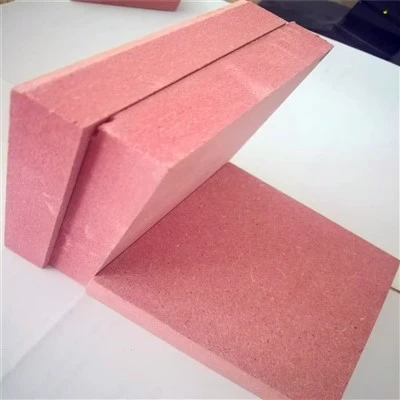
If you’re looking for high-quality melamine board, edge banding, or stain repair markers, to match your existing pieces, we’d love to discuss your project with you. Whether you’re a professional furniture maker, an interior designer, or a homeowner working on a DIY upgrade, we have the products and expertise to help you get the job done right.
Wpc Flooring Spc Flooring References
- Wood Industry Technical Association. Guide to Maintaining Engineered Wood Panel Products. 2022.
- Melamine Resin Manufacturers Association. Care and Maintenance of Melamine Coated Surfaces. 2021.
- National Wood Flooring Association. Stain Removal Techniques for Engineered Wood and Composites. 2020.
Lisen Wood Industrial Shouguang Co., Ltd.
Lisen Wood Industrial Shouguang Co., Ltd. is one of the most professional melamine board manufacturers and suppliers in China, featured by quality products and low price. Please rest assured to buy discount melamine board from our factory. Welcome to contact us for quotation and free sample.
Address: Nongsheng road, shouguang,shandong province, china
E-mail: liuzhenxi@lisenboard.com
WebSite: https://www.sglswood.com/
